

BC’S COAST IS DIVERSE AND PRODUCTIVE.
STRATEGIES TO PROTECT and support IT SHOULD BE, TOO.

CONSERVING OUR SALMON.
SUSTAINING OUR ECONOMY.
RESPECTING OUR HISTORY.
Salmon fishing has been integral to life in British Columbia for millennia. From the sustenance fishing practiced by First Nations through to a rich history of fishing commercially and by recreational anglers, our fish and fishing heritage runs long and deep. Protecting our salmon, our communities, and our shared future in BC relies on respecting and maintaining a sustainable and balanced approach to the management of marine and aquatic resources.

protecting Threatened Salmon Runs. And Threatened Communities.
Over the last several years the sport fishing community in southern BC has and continues to be severely impacted by the implementation of Chinook non-retention for two-thirds of the peak fishing season. These measures, designed and implemented by DFO, merely create the appearance of protecting endangered and threatened stocks of Interior Fraser River Chinook. The reality, however, is that sustainable recreational fisheries have been unfairly targeted as the main reason for this decline, while other factors such as habitat degradation, illegal and unreported gill net fisheries, and unchecked predation by artificially elevated seal and sea lion populations have been largely ignored. The lack of progress in providing more access to precautionary and sustainable Mark Selective Fishery (MSF) options that allow for a public fishery while protecting stocks of concern has threatened the livelihood of thousands of British Columbians, and the viability of a major part of British Columbia’s economy.

British Columbians are worth Protecting Too.
The Sport Fishing Institute of BC, representing the interest of hundreds of thousands of anglers and together with community and industry groups across the province, is dedicated to protecting, preserving, and promoting sustainable sport fishing activities on Canada’s Pacific coast and the vital role it plays in our economy and traditional coastal culture. As such we want to bring attention to and support a Mark Selective Fishing strategy as a progressive solution to protecting our salmon, our economy, and our way of life.
British Columbia Sport Fishing Highlights


British Columbia is BUILT on Fish and fisheries
For informed planning and decision-making, it is essential to understand the economic impact and contributions of the public fishery in British Columbia and across Canada. Fisheries and Oceans Canada and the Province of BC conduct surveys to gather data on catch and spending in BC’s recreational fishing sector. Over the past 25 years, BC's public fishery has contributed an average of $643 million in GDP and $1.276 billion in total revenues annually, providing approximately 9,100 jobs, and supporting 650,000 recreational fishing licence purchases every year, along with their families, and the businesses that benefit from fishing-related tourism and activity - Combined Tidal and Freshwater Fast Facts created from DFO iSEA survey data. And see these salmon specific documents developed by DFO that compare the impacts and contributions of BC public and commercial salmon fisheries.
Recreational fishing in British Columbia is the most profitable and inclusive sector of the fishing industry, generating economic, social, and cultural benefits without government subsidies. Unlike the commercial fishery, which increasingly depends on public funding to remain viable, the recreational sector is self-sustaining. While access to harvest is a critical component, the recreational fishing sector thrives on expectations and reliable opportunities for participation. Its broad public engagement and economic benefits, and commitment to conservation make recreational fishing a vital and resilient contributor to BC’s communities and coastal economy.

How to Help Our Salmon NOW
Looking ahead, we hope to see action that reflects the discussion and studies that have determined there is a proven strategy, Mark Selective Fisheries, that can be implemented in the short, medium, and long term that will improve and rehabilitate stocks of concern while preserving and improving critical recreational fishery opportunity. These adjustments include moving harvest away from stocks of concern and on to hatchery fish. This will become more effective now that all hatchery salmon produced in B.C. waters will be fin clipped and therefore easily identified, something already in place in Washington State and planned for Alaska. Enhancement of existing, and identification of new hatchery stocks should be considered in a responsible manner, using guidance provided by the Wild Salmon Policy. Addressing area and time specific predator control of seals and sea lions would aid in the survival of millions more Chinook.

THE PUBLIC FISHERY
The sport fishery in BC is how the public exercises its common law right to access the common property fishery resources that the Government of Canada has the responsibility to manage to the benefit of all Canadians. We encourage all anglers to use that term to remind DFO and others that our fishery is inclusive, sustainable, and beneficial to Canada.
VISIT FISHINGRIGHTS.CA FOR INFORMATION ABOUT THE SALMON ALLOCATION POLICY REVIEW

The Sport Fishing Institute of BC
Since 1980 the Sport Fishing Institute of BC (SFI) has represented the interests of over 350,000 tidal water recreational anglers and related businesses to elected officials, management agency staff, other fishery sectors and the non-angling public. We work to raise issues of critical importance to BC’s sport fishing industry with decision makers in Municipal, Provincial, Federal and First Nations governments in Canada.
-
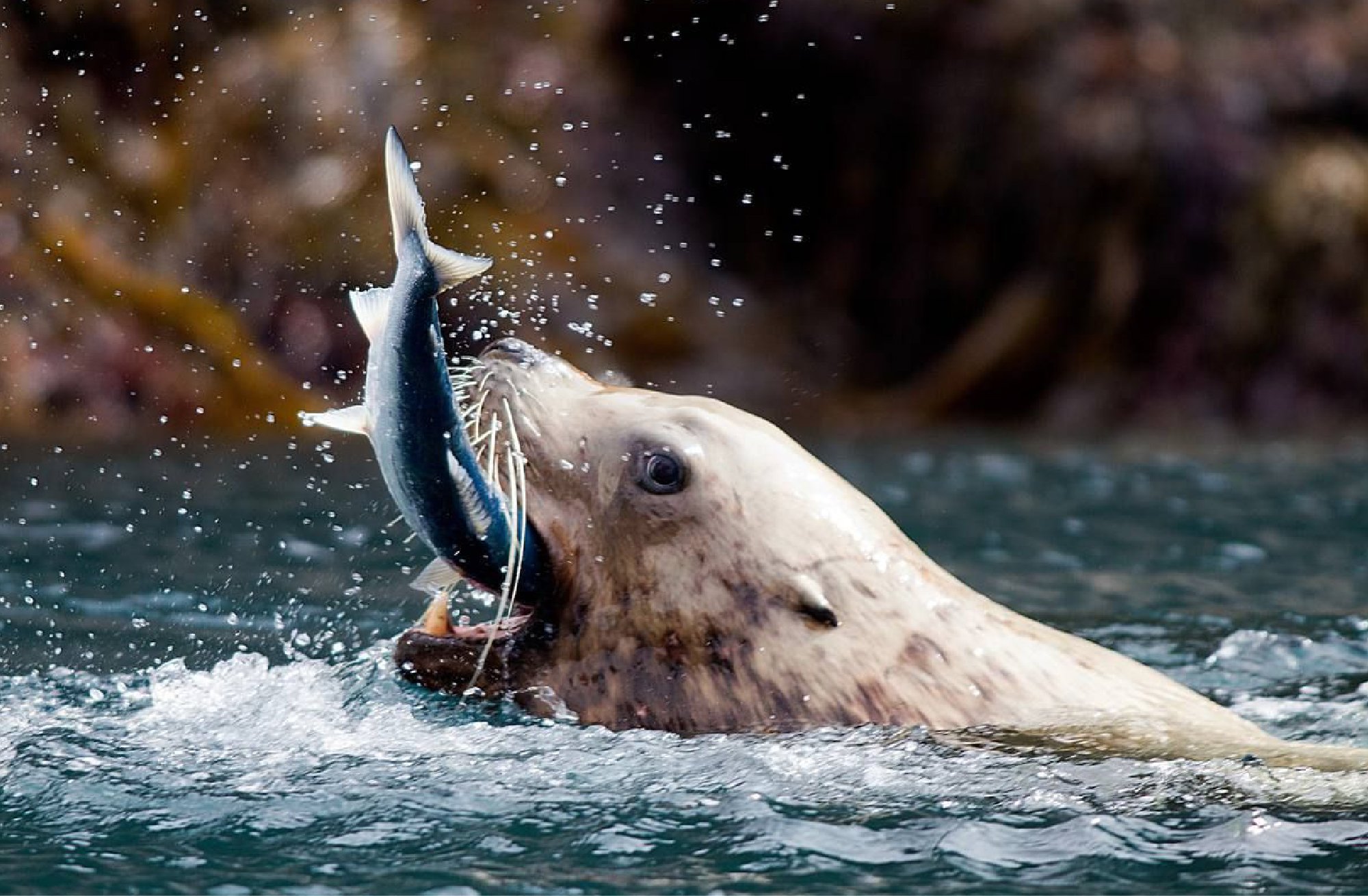
Pinnipeds
A massive growth in the population of pinnipeds, including seals and sea lions, is threatening BC’s wild salmon.
-

Mark Selective Salmon Fisheries
Hatchery salmon are meant to be caught. Learn how a Mark Selective Fishing strategy helps to protect BC’s wild salmon stocks.